10 Small Things That Make a Home Feel Better
A good home is rarely made by grand gestures. It is shaped by the small details we notice every day — warm light, well-made objects, books within reach, fresh flowers and spaces that invite us to slow down.

A home does not feel good because of one grand decorating decision. A well-chosen sofa, an expensive light fixture or a perfectly considered color palette can certainly make a difference. But the character of a home usually reveals itself in smaller details: a curtain that catches the morning light, a bowl that always sits in the same place by the door, a chair that has been used for years or a single lamp switched on in the evening.
The idea behind a good home is actually quite simple. A space should make everyday life easier and, ideally, a little more enjoyable. Good design, then, is not only about how a home looks. It is about how it makes you feel.
You do not need to make dramatic changes to get there. Sometimes a few thoughtful choices are enough to change the entire mood of a room.
1. A lamp that changes the evening
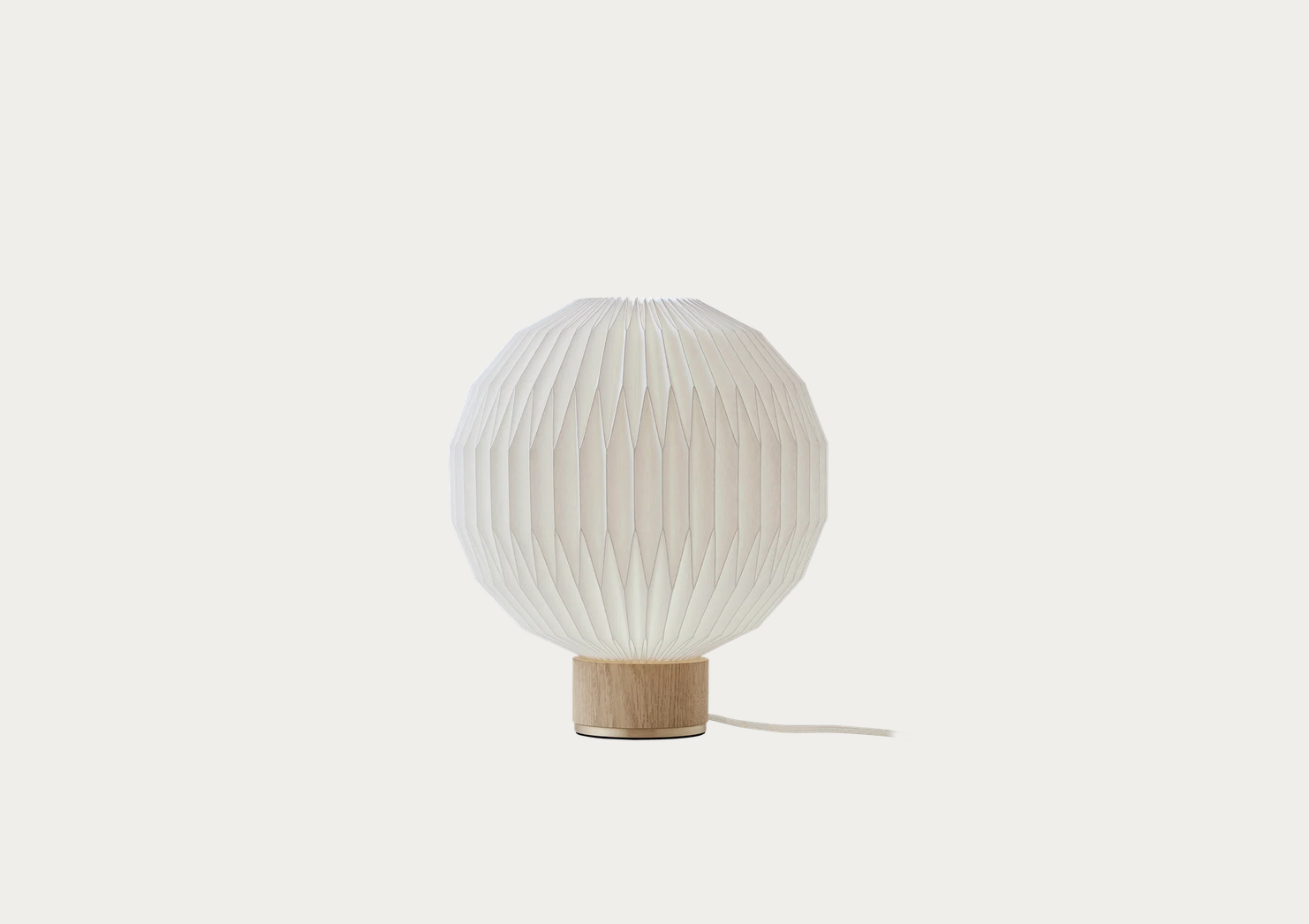
If you want to understand how a room feels, look at the light before you look at the furniture. Overhead lighting is practical, but at the end of the day it can feel a little too direct. A floor lamp in the corner, a small table lamp on a console or a warm pool of light beside the bed gives a room a different rhythm.
That is why a design such as the Louis Poulsen AJ Table Lamp is more than a source of light. Designed by Arne Jacobsen in 1957 for the SAS Royal Hotel in Copenhagen, the AJ directs light downward and has an adjustable shade, making it particularly suited to a quieter evening atmosphere. Louis Poulsen AJ Table Lamp
For something more sculptural, the Flos IC Lights T1 High turns its opal glass globe into almost an object within the room. The Le Klint Model 375, meanwhile, brings the warmth of traditional Danish lighting into a more tactile, handcrafted form.
What these designs have in common is that they do not treat light as a purely functional matter.
They understand that evening has its own atmosphere.

2. A scent that belongs to the house
One of the things that makes a home recognizable is its smell. Fresh coffee, wood, clean laundry, bread coming from the kitchen or the faint scent of a soap that has been used for years.
This does not mean filling every room with candles and fragrance. In fact, a scent that announces itself too loudly can make a home feel less natural.
What matters more is that a home develops a scent of its own.
Aesop Olous Aromatique Room Spray brings a clean, woody quality without making the room feel overly perfumed. Diptyque Baies offers something more romantic and distinctly Parisian, while Skandinavisk HYGGE leans into the warmth and intimacy associated with the Nordic idea of home.
Scent is one of our oldest forms of memory.
Long before we notice the furniture, it can tell us where we are.
3. A little order by the door
Knowing where your keys are every evening may not seem like it has much to do with design culture. But much of good design begins exactly here: by removing the small frictions from everyday life.
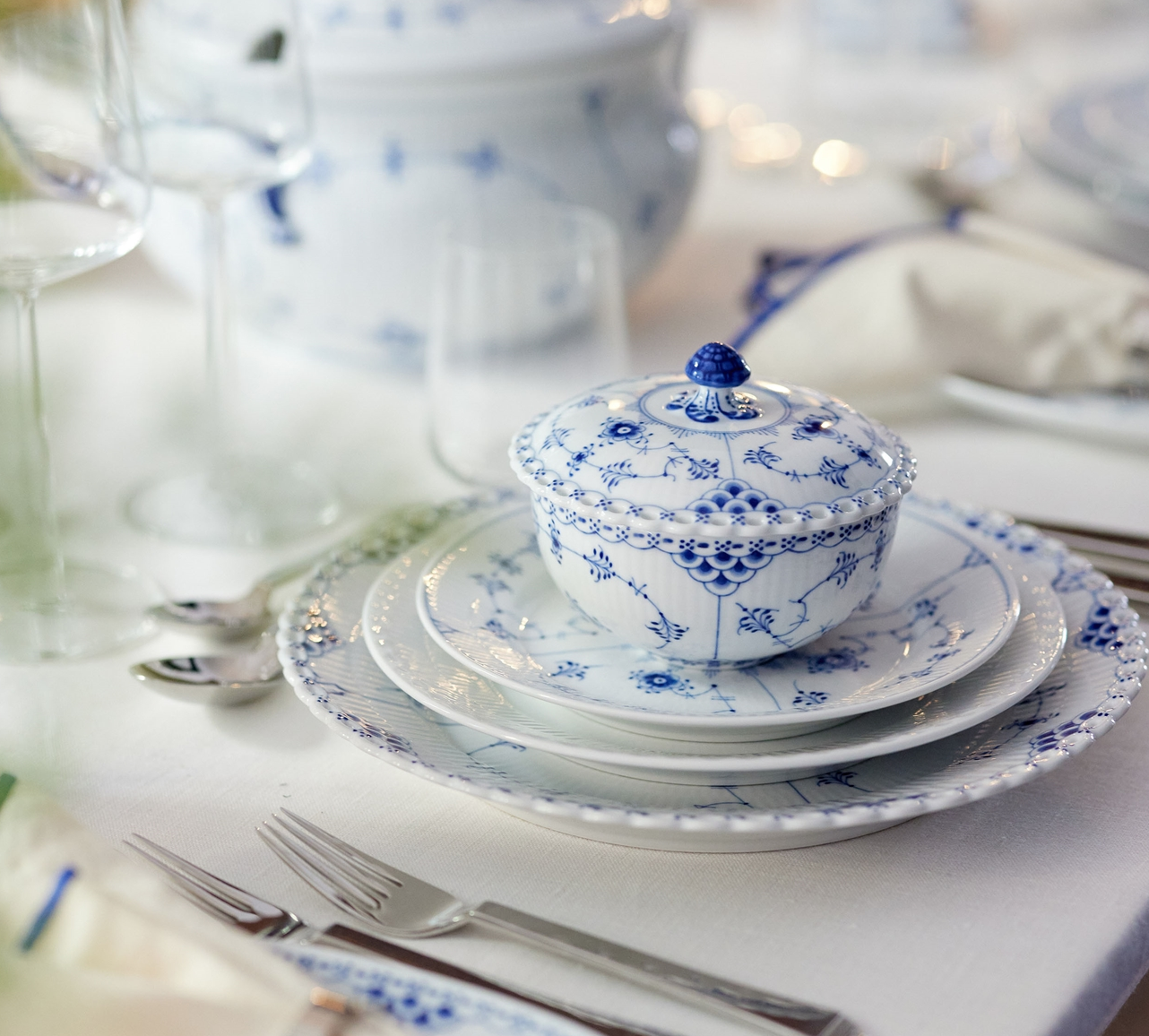
A simple Ferm Living Yama Tray can create a quiet landing place for keys, sunglasses and a wallet. The Royal Copenhagen Blue Fluted Plain Bowl turns an everyday storage object into something connected to Danish tableware tradition. For a more contemporary interpretation, the sculptural Georg Jensen Cobra Bowl does much the same job with a stronger visual presence.
These are small objects.
But good design is often like that.
It does not need to announce itself.
It simply works.
4. Let your books live
There is a difference between having books in a home and allowing books to become part of everyday life.
Instead of keeping a favorite novel on the highest shelf, leave it beside the sofa. Keep a magazine open on the coffee table. Put a cookbook in the kitchen where you can actually reach it.
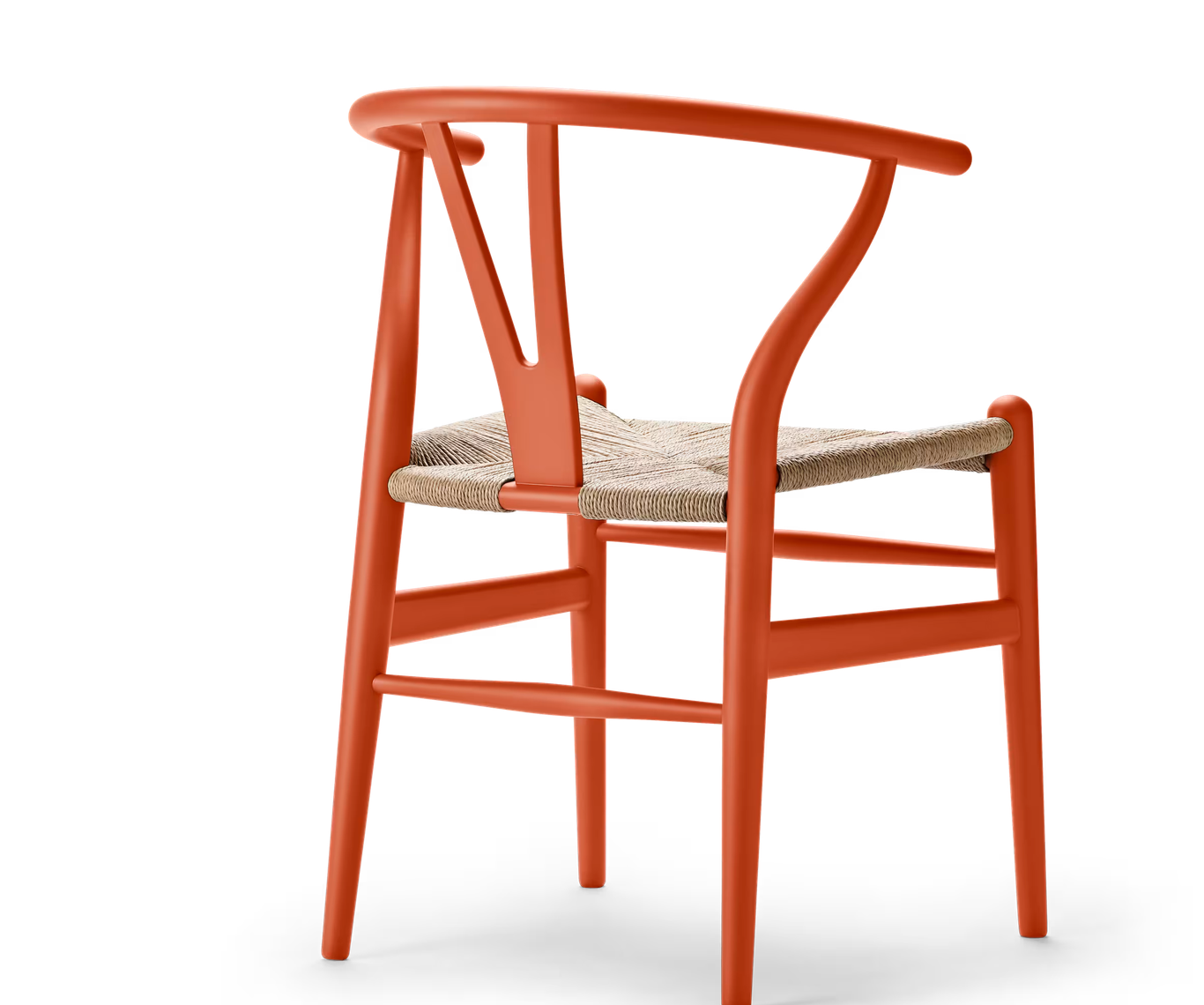
You do not need much else. The Carl Hansen & Søn CH24 Wishbone Chair creates an almost instinctive place to sit and read, while a HASAMI PORCELAIN Mug makes coffee or tea feel like part of the reading ritual. The more familiar Iittala Teema Mug offers something even simpler: an everyday object designed to be used for years without asking for attention.
A few books out of place are not a problem.
Quite the opposite.
A home with books that are actually being read suggests that the people living there remain curious about the world.
A bookshelf is not simply storage.
It is part of the intellectual landscape of a home.
5. One chair that does not match everything
The lasting influence of Scandinavian interiors has also brought with it a certain risk: homes can begin to look remarkably similar. When everything is beautiful, restrained and coordinated, there is sometimes very little left to say.
That is why a home benefits from something slightly unexpected.
The Fritz Hansen Series 7 brings a light, sculptural quality to a minimalist interior. The Carl Hansen & Søn CH24 Wishbone Chair offers something more tactile and natural through its wood and woven seat. For a stronger statement, the Fritz Hansen Egg Chair creates an almost architectural space within the room.
Not everything needs to come from the same collection.
In fact, a home becomes more interesting when it does not.
A good home should look less like a catalog and more like a life.
6. Keep flowers on the table
There is no reason to wait for a special occasion to bring flowers home.
A few branches from the market, some greenery from the garden or a handful of tulips can be enough. The point is not the size of the arrangement but the small gesture of bringing something from outside into the room.
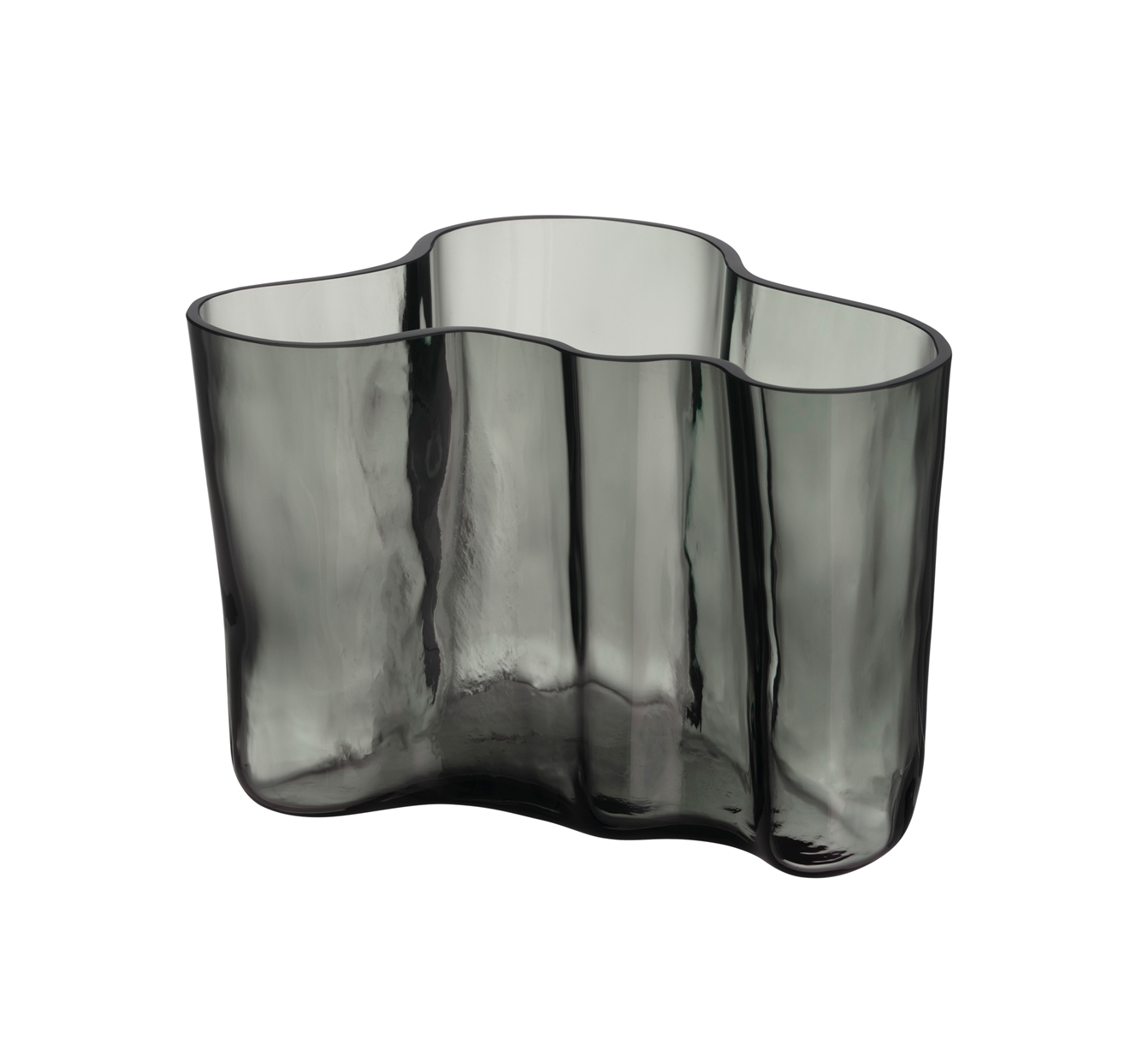
The Iittala Aalto Vase is a particularly good example. Alvar Aalto's organic, wave-like form, developed in the 1930s, still feels remarkably contemporary while carrying the irregularity and movement of nature into the home. The vases are mouth-blown at Iittala's factory in Finland, giving each one subtle individual variations.
The Georg Jensen Cobra Bowl offers a more sculptural approach to arranging flowers, while the Royal Copenhagen Blue Fluted Plain Bowl brings a more traditional Danish character to flowers, fruit and other everyday objects.
Part of the beauty of flowers is that they are temporary.
Knowing that they will fade in a few days is precisely what makes putting them on the table feel worthwhile.
7. Drink water from a beautiful glass
One of the places where design culture has the most meaningful impact on everyday life is the kitchen.
A well-made glass, a beautiful plate or a cup that feels good in your hand can change an otherwise ordinary moment. It does not need to be expensive. What matters is that you enjoy using it.
The Georg Jensen Sky Glass can make even a simple drink feel considered. The Iittala Teema Mug offers a more straightforward kind of everyday beauty, while the Georg Jensen Koppel Glass brings a little more ceremony to the table.
There is something strange about saving our best things for guests.
Most of life is not made up of special occasions. It is made up of ordinary Tuesdays.
So why wait for an invitation to use something beautiful?
8. Something with a past
New things can be perfect. Objects with a past have something else: a story.
A small object bought on a trip. A chair inherited from a family member. A lamp found at a flea market. A bowl that once belonged in another home.
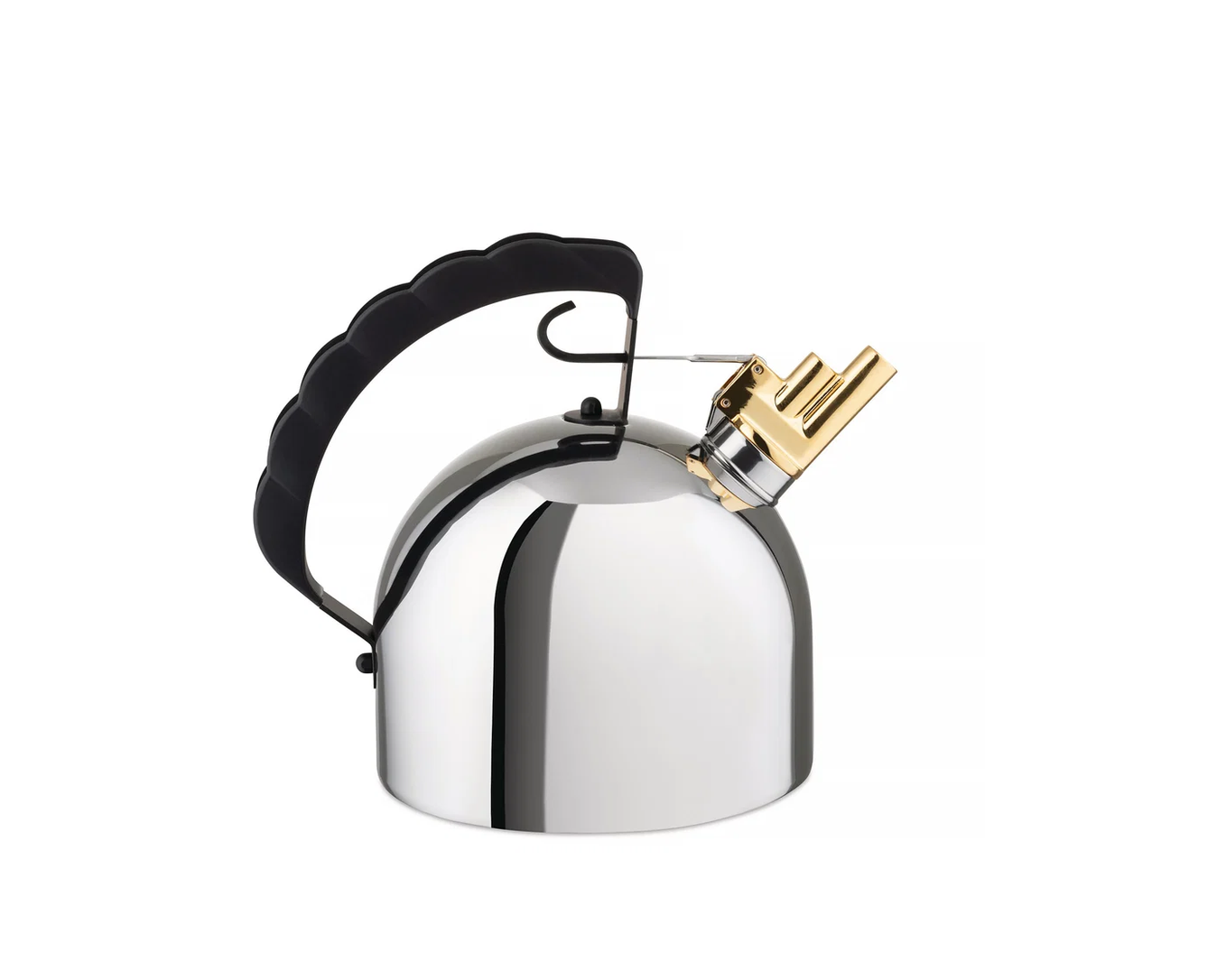
That is why a timeless design such as the CH24 Wishbone Chair is valuable not only for its form but for its ability to live with you for years. The Fritz Hansen Series 7 brings a piece of design history into the room with a lighter touch, while the Alessi 9091 Kettle adds a little playfulness and Italian design culture to an otherwise functional object.
These things are not simply decoration.
They give a home a sense of time.
The most interesting interiors allow the old and the new to sit comfortably beside one another.
A room becomes more personal when it does not look as though everything arrived on the same day.
9. A corner for doing nothing
Our homes are being asked to do more than ever. The living room becomes a workspace, the kitchen becomes an office and the bedroom sometimes turns into an extension of the phone screen.
That makes a place where you do not have to accomplish anything increasingly valuable.
The Vitra Eames Lounge Chair & Ottoman remains one of the clearest expressions of this idea: a piece made for reading, listening to music, looking out the window or simply sitting. The Fritz Hansen Egg Chair takes the idea further, creating a more enclosed space within the room.
The CH24 Wishbone Chair offers a lighter interpretation of the same principle.
You do not have to work there.
You do not have to read.
You do not even have to be productive.
You can simply sit.
Perhaps that is one of the greatest luxuries a modern home can offer.
10. Let the home remain unfinished
A good home should never look completely finished.
Books should move around. A blanket should remain on the sofa. Yesterday's magazine can stay on the coffee table. Furniture should develop a little patina, and certain corners should change with the seasons.
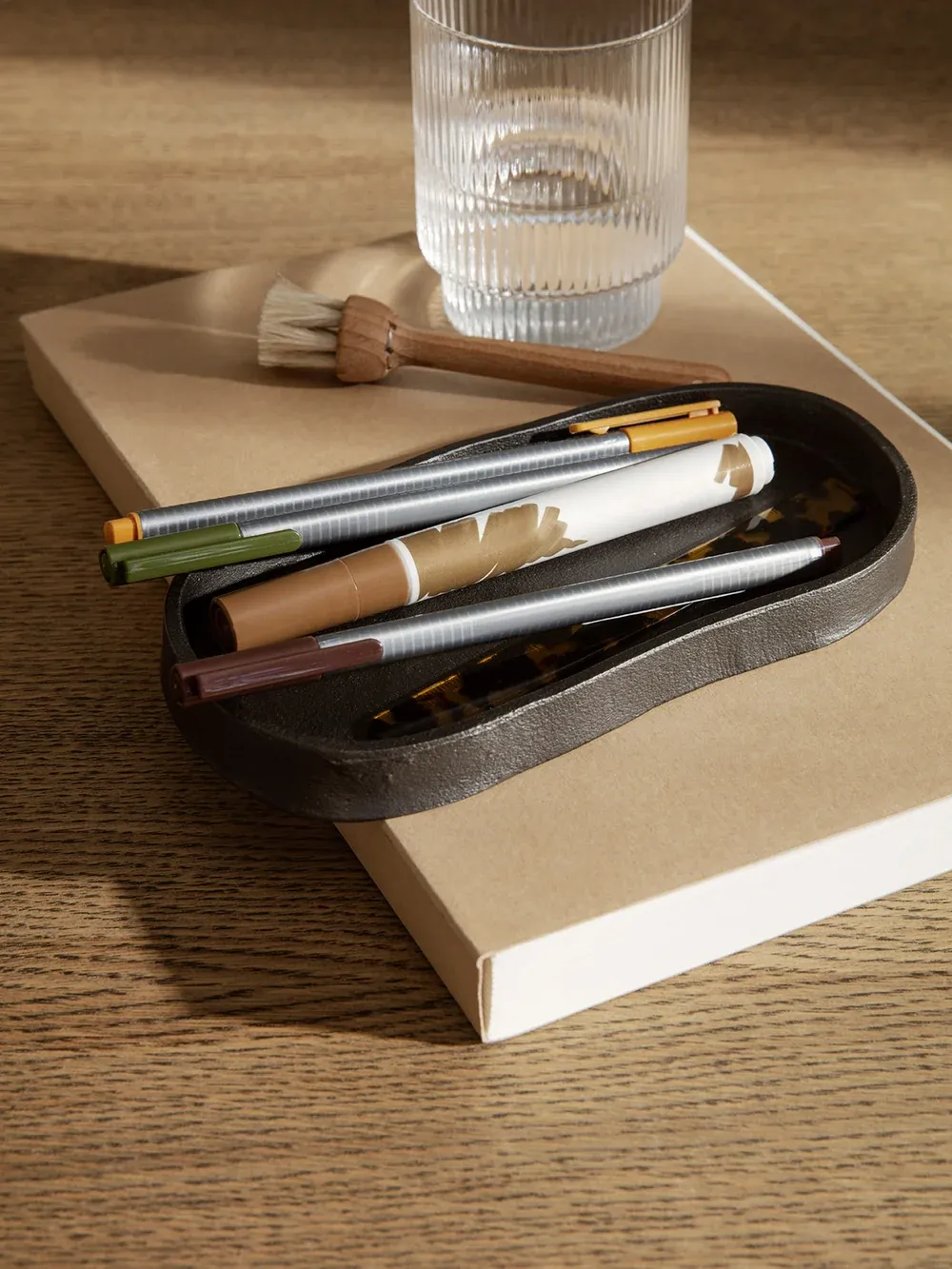
This is why a Vitra Eames Lounge Chair, a CH24 Wishbone Chair or even a simple Ferm Living Yama Tray should not be judged only by how it looks on the day it arrives. Their real value emerges through use, familiarity and time.
A home is not a design project waiting to be completed.
It is something that changes as you live in it.
Leaving room for imperfection makes a space more personal. It gives the people who live there permission to leave a mark.
And perhaps that is what makes a home feel truly yours.
In the end, making a home feel better is not really about buying more things.
It is about choosing more carefully.
Noticing how the light changes throughout the day. Paying attention to how a glass feels in your hand. Understanding why you still love a particular chair after ten years. Bringing home a few flowers without needing a reason.
None of these are particularly grand ideas.
But a good life is rarely made from grand ideas. It is built through the attention we give to ordinary moments.
That is where good design becomes part of living.
A well-designed home is not there to impress other people.
It is there to make the life happening inside it a little better.
And perhaps that is what good taste really means:
Not making life look more impressive, but learning how to live its ordinary moments well.
Away from the noise.
Only the content that interests you, away from the noise and calm. Subscribe to our curated newsletter.

